By Maria Righi
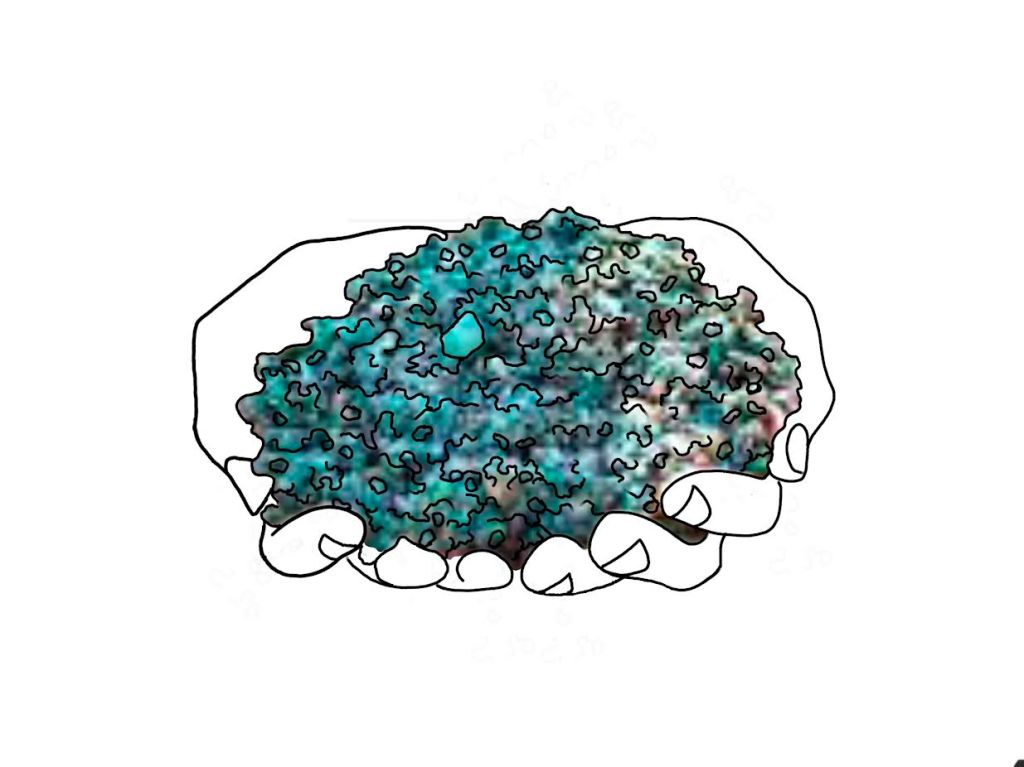
Cobalt was once called “goblin ore”. This odd nickname was given to the element by miners who believed that goblins had fun replacing silver and other precious metals with cobalt, a blue mineral which seemed useless and devoid of any economic value. But nowadays things have changed.
Cobalt is now one of the most valuable metals in technological and electronics industries and it powers our lives: cellphones and computer batteries are made of cobalt and many scientists believe that it will be the metal of the future. It is the most important component in electric cars and it will be fundamental for switching to a more sustainable way of living. However, this change has a way higher cost than it seems. About 65% of cobalt is extracted in the Democratic Republic of Congo, from mines located in the south-east of the country.
Western countries and multinational companies, which in the last few years have almost occupied the entire area to open new mines, extract about eighty thousand tons of cobalt per year and these numbers weigh on the shoulders of local and indigenous people. Most of them are children, aged between six and sixteen years old. According to UNICEF, about 40,000 kids extract cobalt in the Congolese mines; they work 12 hours a day, in subhuman and degrading conditions, digging narrow and deep tunnels in the mud with their bare hands.
Little children are the only suitable workers to excavate these extremely tight wormholes where there are no ventilation shafts and they inhale toxic cobalt fumes. The tunnels – needless to say – are highly dangerous and unsteady; they often collapse and the miners end up being buried alive or suffocated by gas. Children are abused, beaten and also trafficked and sold; extreme poverty forces families to condemn their sons to child-labor, though they earn only one or two dollars a day. Unfortunately, cobalt mines do not only harm those who work there, but also the environment and people who live in these territories.
Forests have been destroyed and water has been contaminated with toxic substances from the mining process. In the last twenty years multinational companies have forced thousands and thousands of people to move out of their homes, committing serious violations of human rights. Entire villages and communities have been wiped out to provide space for new mines thanks to the help of the Congolese army, which is convicted of an impressive amount of violent crimes. According to Amnesty International, sexual assaults, beatings, threats, arson and forced evictions have been reported and a lot of people spoke out about abuses they experienced.
In 2016 the entire village of Mukumbi was destroyed; three representatives of a mining society, accompanied by police officers, gave a notice to the local authorities and one week later people were evicted from their houses, while buildings, schools and hospitals were burned to the ground. During the eviction a two-year-old girl was set on fire while she was asleep.
Locals lost everything and to this day many of them are still homeless and living in the forest around the destroyed village. In another community a pregnant woman was raped by three soldiers; they had commanded her to immediately leave her house but she still tried to save her harvest and her house. These are only some of the few testimonies among the many reports which have been made. The extremely corrupt Congolese Government and the mining societies claim that people have deliberately left their houses and that they have received a large compensation, but such a thing has never happened.
Western countries and multinational companies have no interest in improving workers’ conditions, ending child labor or protecting local communities: as long as they are protected by the Government they will keep digging and following the frantic global rush to extract as much cobalt as possible. Few projects were engaged before 2020 to sort out the issue but they were shut down due to the covid Pandemic and the following economic crisis, but a solution still can be found.
Cobalt is essential for the development of clean transport and its extraction is fundamental to guarantee us a greener future, but are we willing to keep tolerating this modern slavery?
 MINGOMagazine